

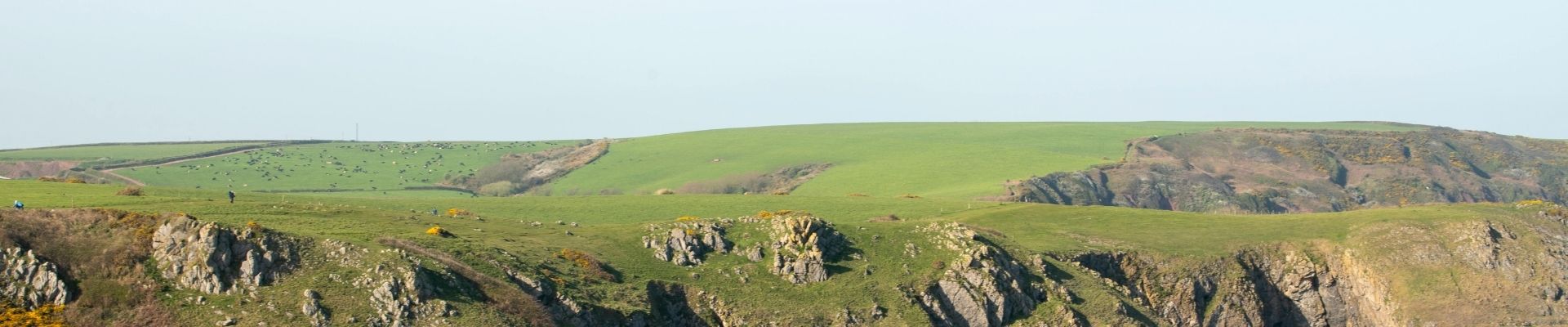
Is the Groundcare Industry Becoming More Weather-Dependent Than Ever?
For many in the landscaping and groundcare sector, this summer has felt unusual. Whilst drought is nothing new, its impact on workloads, customer demand and business planning has been significant.
Contractors who would normally be busy with mowing, turf establishment and renovation have seen enquiries slow and schedules become less predictable. With growing discussion about whether this reflects a permanent shift in our climate, it raises the question: has the groundcare industry become more weather-dependent than ever before?
When Growth Stops, So Does Demand
The industry has always worked around the weather. Wet winters, late springs and summer heat have long shaped workloads. But in recent years, longer periods of extreme conditions have become more common.
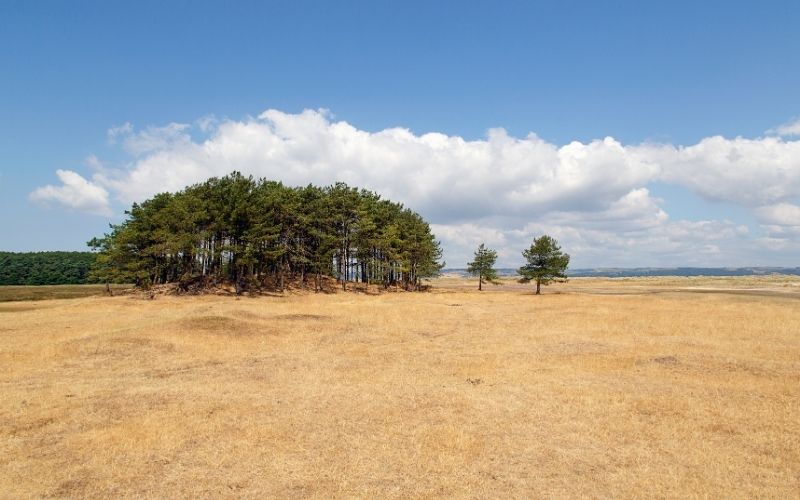
When grass stops growing, mowing schedules are reduced, renovation work is delayed and landscaping projects are put on hold. For contractors, what should be peak season can quickly become quiet, with expected work disappearing from the diary. It's tough.
Managing Expectations Has Become Part of the Job
Brown grass is often seen as a problem needing immediate action, when it is usually a natural response to prolonged dry conditions. Sports clubs, commercial clients and property managers increasingly want reassurance and guidance as much as maintenance services.
As a result, contractors are expected to take on a broader role, helping clients improve resilience, plan recovery and prepare for the long-term impact of changing weather patterns.
The Autumn Rush Is Likely to Return
If experience tells us anything, it is that periods of inactivity are often followed by a surge in demand. When rainfall eventually returns the work will come back. The challenge for contractors is that this demand often arrives all at once.
Labour, machinery and materials can quickly become stretched as sports clubs, schools, commercial sites and private estates all attempt to catch up on postponed works during a relatively short autumn window.
The businesses that tend to cope best are not necessarily those that have the most resources available. It is often the ones that have used quieter periods to plan ahead, schedule works and communicate proactively with clients.
Adapting to a Changing Climate
Whether this summer is an exception or part of a longer-term trend remains to be seen. What is clear is that weather is playing an increasingly important role in business planning across the landscaping and groundcare sector.
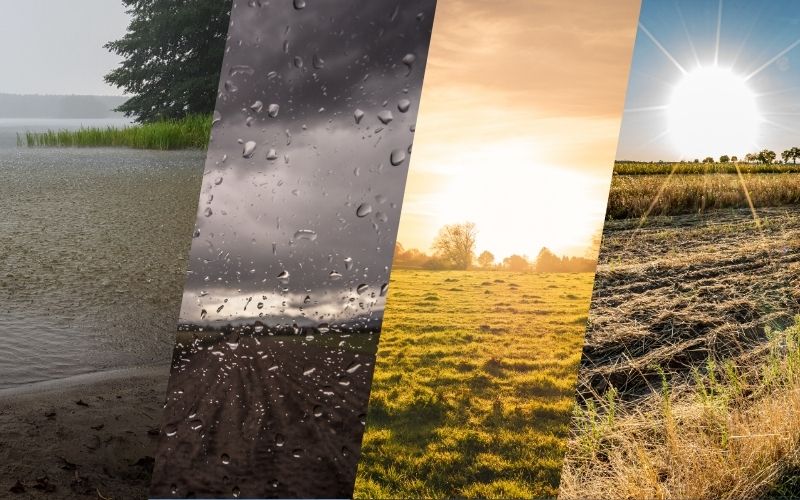
Contractors must now look beyond traditional seasonal patterns, considering how prolonged dry spells, heavy rainfall and changing growing seasons affect staffing, equipment investment and long-term resilience.
Looking Forward
While many businesses are experiencing a quieter period, it is unlikely to last. History suggests demand returns quickly when conditions improve.
The real question is how prepared the industry will be when it does. Increasingly, success in groundcare depends not only on managing landscapes, but also on managing the uncertainty that comes with them.
At Acacia Groundcare, we're monitoring conditions closely and working with customers to plan ahead for the opportunities and challenges autumn is likely to bring.