


Is Your Groundcare Operation Ready for a Wet and Windy Winter?
Practical advice for preparing grounds and machinery for challenging winter weather.
An Unpredictable Winter Season
As we head towards late autumn and winter, preparing commercial grounds for challenging weather conditions should be a priority for anyone responsible for large outdoor spaces.
The latest Met Office outlook suggests an increased likelihood of wet and stormy weather this season, linked to the developing record-breaking El Niño. We all know that heavy rain and strong winds can lead to saturated ground, fallen branches, leaf build-up, blocked drainage and difficult access. All of which can increase the amount of work required to keep a site safe, accessible and looking its best.
So with this in mind, here are the five key areas to consider when preparing your commercial grounds for winter.
1 | Get ahead of autumn leaf clearance
Fallen leaves are an unavoidable part of autumn, but a thick layer can block light, create slippery surfaces and clog drains and gullies. On larger sites, keeping leaves under control can quickly become a significant maintenance task.
This is where the right machinery can make a big difference to productivity, and can include:

Handheld or backpack blowers

High Velocity pedestrian leaf blowers
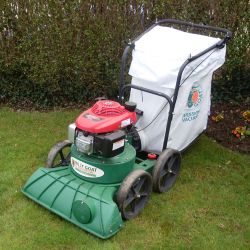
Leaf vacuums

Commercial sweepers
The best option depends on the size of the area, the volume of leaves and the surface type. Implementing a regular clearance programme can help keep sites safe and manageable throughout autumn and winter.
Don’t forget drainage. Before the wetter weather arrives get prepared by checking that drains, gullies and other water-management areas are clear of leaves, branches and debris. Discover more about our blowers and vacuums.
2 | Protect turf from wet and waterlogged conditions
One of the biggest challenges for commercial grounds care teams in winter is working on saturated ground. Repeated vehicle and machinery movements can compact soil, leading to poor drainage, waterlogging and damage to turf and planting areas.
Limiting foot and vehicle traffic over rooting zones whilst the soil is wet is advisable, and for grounds managers this means considering when, where and how machinery is being used.
Top Tip
Consider the following before using machinery:
- Is the ground firm enough to support the machine?
- Could lighter equipment be used?
- Are there alternative routes to reduce traffic?
- Are vulnerable areas already showing signs of waterlogging?
- Can non-essential work wait for drier conditions?
The aim is to maintain the site effectively without causing additional damage that will require costly remedial work later.

3 | Prepare for high winds and storm damage
Strong winds can create an entirely new set of challenges for grounds teams, with trees, branches and storm debris creating hazards and blocking paths, roads and access routes. Storm debris can also leave large amounts of material that needs to be processed and removed quickly.
Top Tip
Before wet and windy weather arrives, inspect vulnerable areas of your site and look out for:
- Dead or damaged branches
- Unstable or vulnerable trees
- Loose fencing and gates
- Outdoor structures and signage
- Temporary equipment
- Obstructed emergency routes and access alleyways
Wet ground can also increase the risk of young or shallow-rooted trees being uprooted during strong winds, and so these areas should be monitored closely during the season.
Have a plan for clearing storm debris - so that if a storm does cause damage, you can have the right equipment available, which can significantly speed up the clean-up process.
Depending on the job, commercial ground care and arboricultural equipment may include:


Chainsaws and pole saws for cutting work
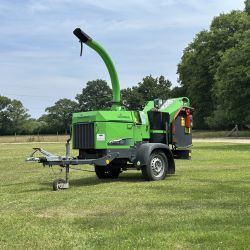
Woodchippers
Leaf blowers
Commercial sweepers
It is important to consider the whole process, from safely clearing fallen branches to processing the resulting material and restoring the affected area.
4 | Keep paths, car parks and access routes clear
For councils, estates, commercial properties and golf courses, keeping paths, car parks, driveways and access routes clear is essential. Heavy rain and strong winds can leave surfaces covered in leaves, branches, mud, gravel and other debris, creating untidy and potentially hazardous areas.
Commercial sweepers can help grounds teams clear large areas far more efficiently than manual sweeping, particularly where debris accumulates regularly.
When choosing equipment, consider the site size, surface type, volume of debris and frequency of use. For larger sites, the right machinery can help teams cover more ground in less time while maintaining a high standard of finish.
5 | Get your ground care machinery winter-ready
Preparing the grounds is only half the job. If machinery isn’t ready for winter, bad weather can quickly lead to a machinery downtime problem, resulting in delayed work, under-utilised staff and the need to hire additional equipment just when it is scarce during peak season.
November is a good time to clean, inspect and maintain machinery, helping identify potential issues before they become more serious. Don’t overlook handheld equipment either — blowers, hedge trimmers, chainsaws and other smaller machines are just as important to day-to-day operations.
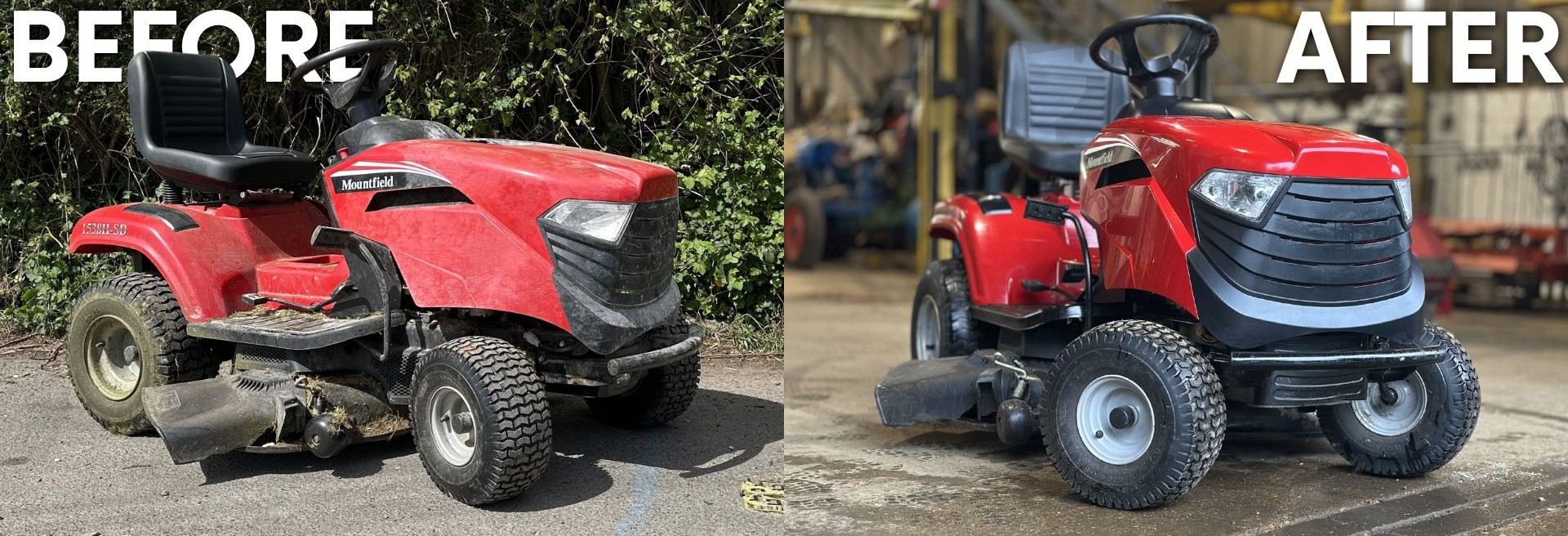
For a detailed guide, see our Autumn Machine Maintenance Checklist for Professionals.
Getting machinery checked and serviced before winter can help identify potential problems before they become more serious. Our fully equipped workshop and experienced mechanics can help you with that – find out more about Service and Repair.
Preparing now can make winter ground care easier
Nobody can predict exactly what the UK weather will bring over the coming months, but for commercial grounds teams, being prepared for challenging conditions is essential.
Whether you manage a golf course, public park, private estate or multiple landscaping sites, preparation now can make a significant difference when stormy or extreme weather arrives.
Stay ahead with leaf clearance, monitor ground conditions, check drainage, inspect vulnerable areas and prepare for storm debris. Most importantly, make sure your ground care machinery is ready for the demands ahead!
If you’re reviewing your equipment, speak to Acacia Groundcare about the machinery available for your requirements.