

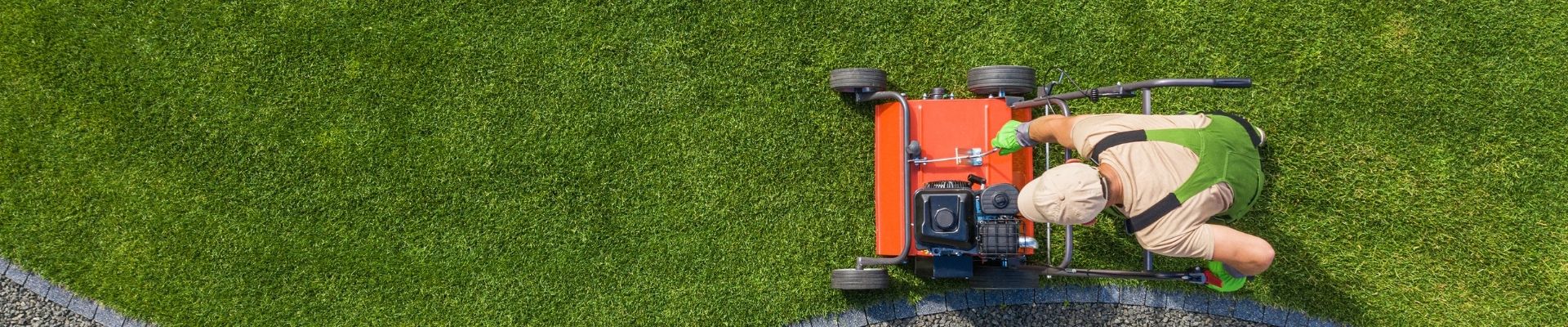
Top Five Common Mistakes with Aeration and How to Avoid Them
As September begins, our minds turn to grass aeration. Early autumn usually provides ideal conditions for carrying out aeration. The soil is still warm from summer, there is increased moisture and plant stress is reduced. However, this year the dry conditions mean we may need to aerate a little later.
Whilst aeration improves soil structure and encourages deeper rooting and better grass health, there is more to it than meets the eye! Timing, equipment and soil conditions all play a big part. Here are five of the most common aeration mistakes we see and how to avoid them.
1 | Aerating at the Wrong Time
Timing is critical. You don’t want to aerate during periods of drought stress or leave it too late into the autumn and winter.
Aeration creates channels within the soil that allow air, water and nutrients to penetrate the roots, but the grass also needs favourable growing conditions to recover from the process. Early autumn usually offers the ideal conditions. Aerating during this period allows the grass to recover quickly while maximising the benefits of improved soil structure.
How to avoid it

Schedule major aeration works during September and early October wherever possible.

Avoid aerating during prolonged dry periods unless irrigation is available.

Monitor soil temperatures and weather forecasts when planning work programmes.

Build aeration into annual maintenance schedules rather than treating it as a reactive task.
2 | Using the Wrong Type of Aeration for the Problem
Not all soil compaction is the same, yet many contractors rely on a single aeration method across every site.
A common mistake is using shallow solid tines to address deeper compaction issues. Whilst solid tine aeration can be highly effective for routine maintenance, it may do little to relieve deeper soil density problems caused by machinery traffic, intensive use or poor drainage.
Different forms of aeration serve different purposes.
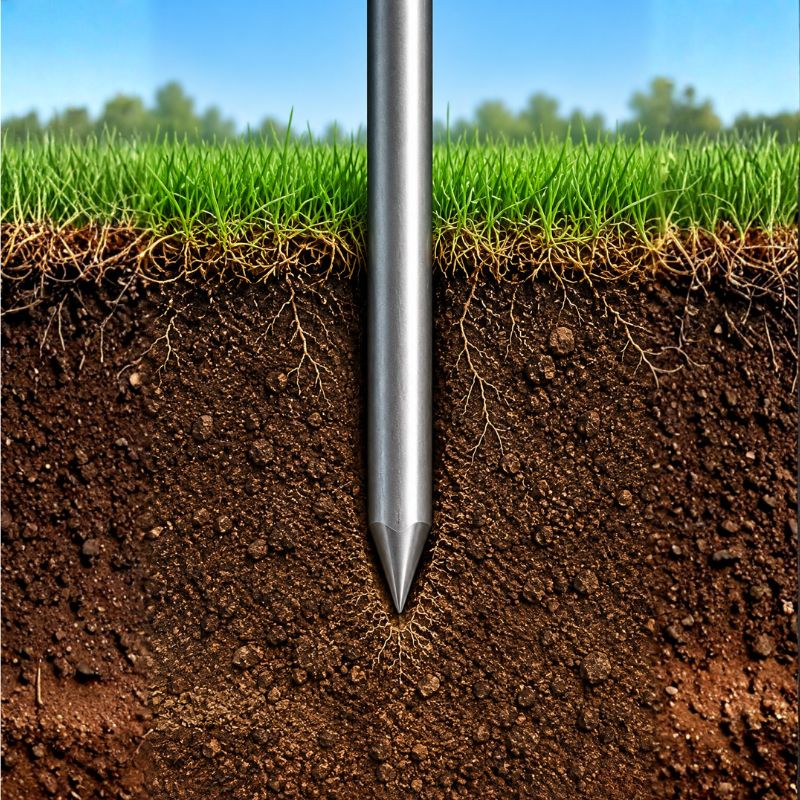
Solid Tine Aeration
Best suited for:
- Routine maintenance programmes.
- Improving air and water movement.
- Minimising surface disruption.
- Fine turf and regularly used sports surfaces.
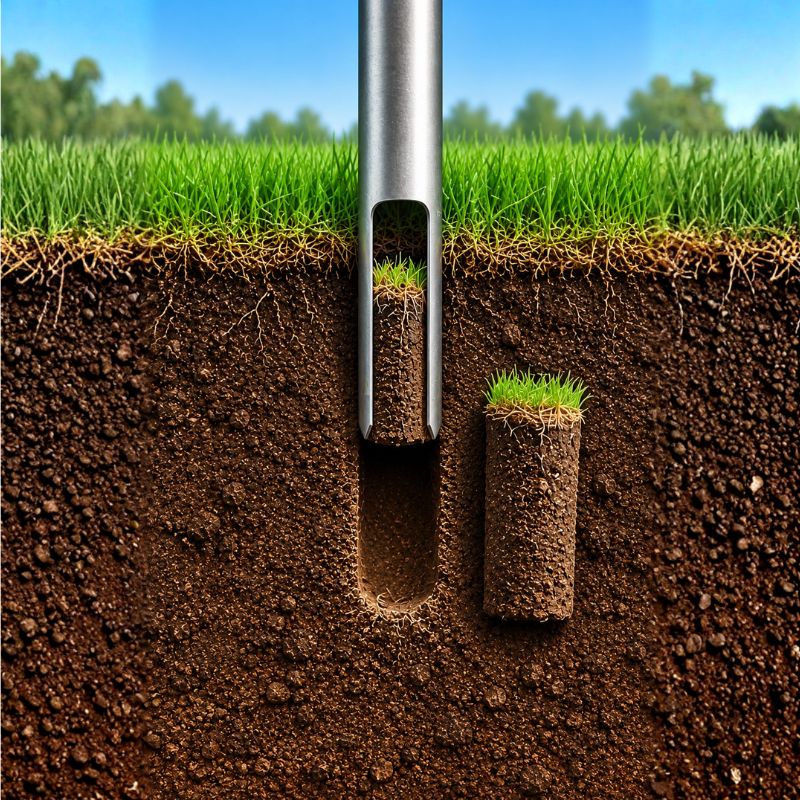
Hollow Tine Aeration
Best suited for:
- Reducing thatch levels.
- Improving soil structure.
- Incorporating topdressing materials.
- Relieving moderate compaction.
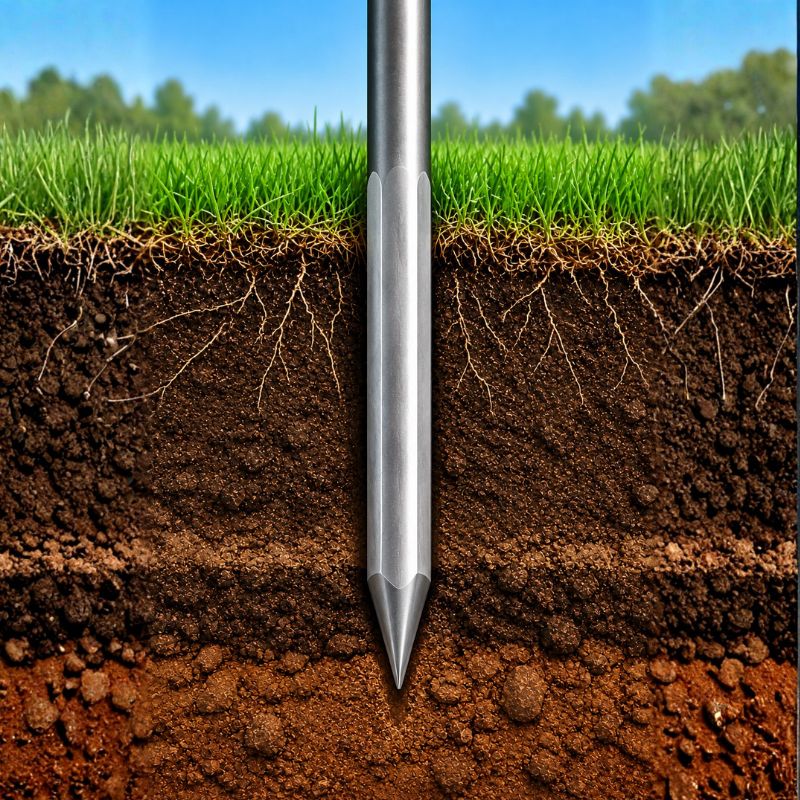
Deep Tine Aeration
Best suited for:
- Severe compaction.
- Heavily used sports pitches.
- Poor drainage issues.
- Encouraging deeper root development.
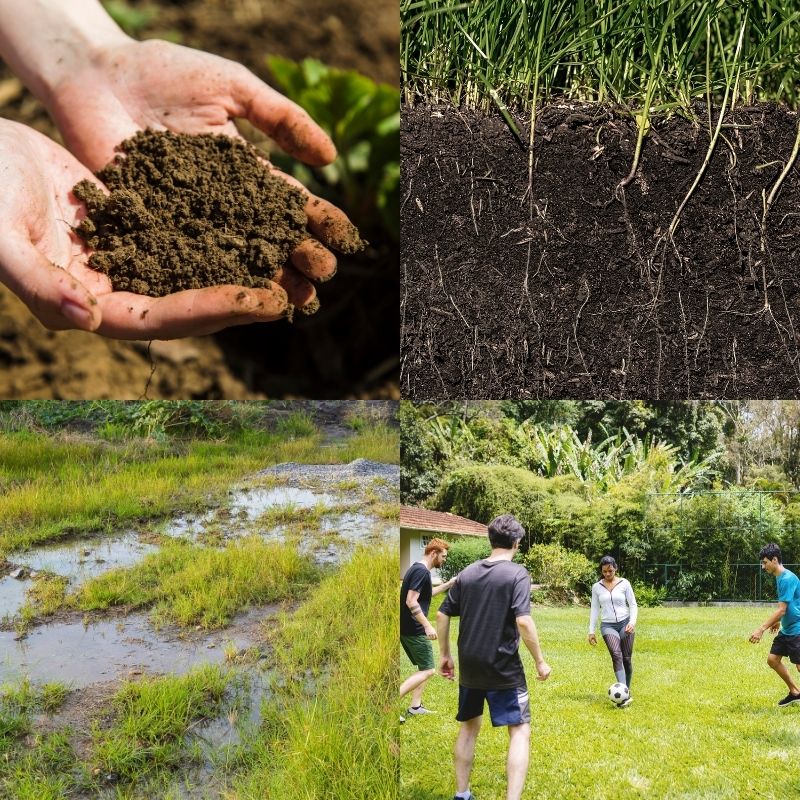
How to Select the Right Tines
Before selecting equipment, assess:
- Soil type.
- Compaction depth.
- Drainage performance.
- Surface usage levels.
- Desired renovation outcomes.
Matching the aeration method to the underlying issue will deliver significantly better results. We are always happy to advise if you are not sure which tines to use.
3 | Failing to Assess Soil Conditions Before Starting
Aeration is often carried out as part of a routine maintenance programme without properly assessing the condition of the soil profile. This can lead to wasted time, unnecessary expense and disappointing results. For example, heavily compacted clay soils may require a completely different approach from free-draining sandy rootzones. Similarly, areas suffering from poor drainage may have underlying issues that simple aeration alone cannot resolve.
How to avoid it
Before starting work on bowling greens or golfing tees, take core samples: one in the middle of a green, one on the 4 edges of the green and one between the edge and the centre.
This must be bagged and marked separately and sent for analysis unless you are knowledgeable enough to recognise the different parts of the core and possible problems.
The results of these will determine the depth the tine needs to reach to be most effective and also any further treatments needed.
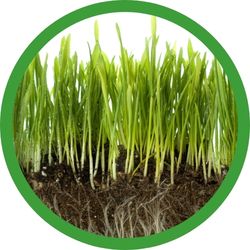
Inspect the rootzone profile including root depth and health
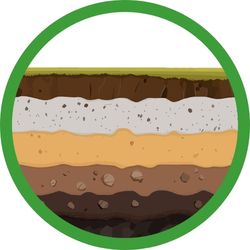
Identify compaction layers
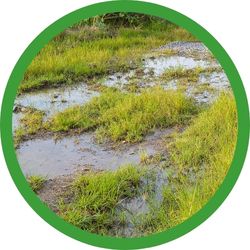
Check drainage performance and anaerobic material, which often comes with poor drainage.

Assess thatch accumulation
4 | Using Inappropriate Equipment for the Site
Another common mistake is selecting equipment based solely on availability rather than suitability.
A small pedestrian aerator may be perfectly adequate for a compact lawn but could prove inefficient on large sports pitches or extensive amenity areas. Equally, using machinery that cannot achieve the required working depth may leave underlying compaction untouched.
Equipment selection should always take into account:
- Site size.
- Soil conditions.
- Required working depth.
- Productivity requirements.
- Surface sensitivity.
If you are unsure, just ask one of our friendly team.
How to avoid it
Using specialist aeration equipment allows you to match the machine to the job rather than compromising with a one-size-fits-all approach.
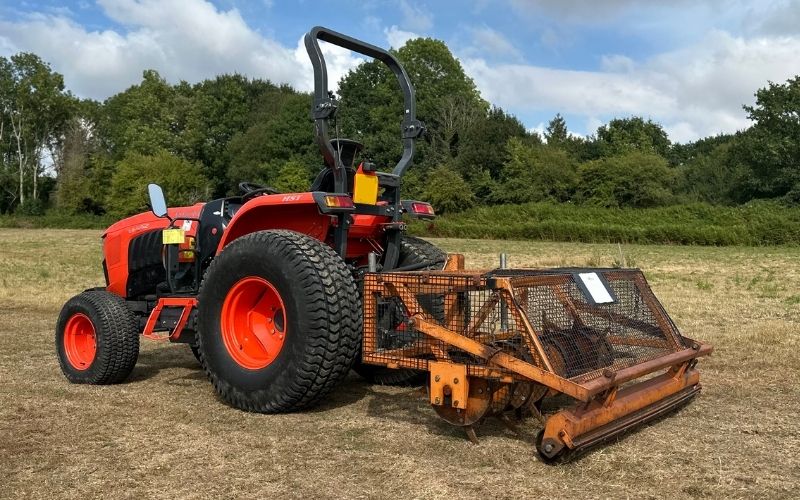
Kubota L1-552 Compact Tractor and Sisis Maxi Slitter
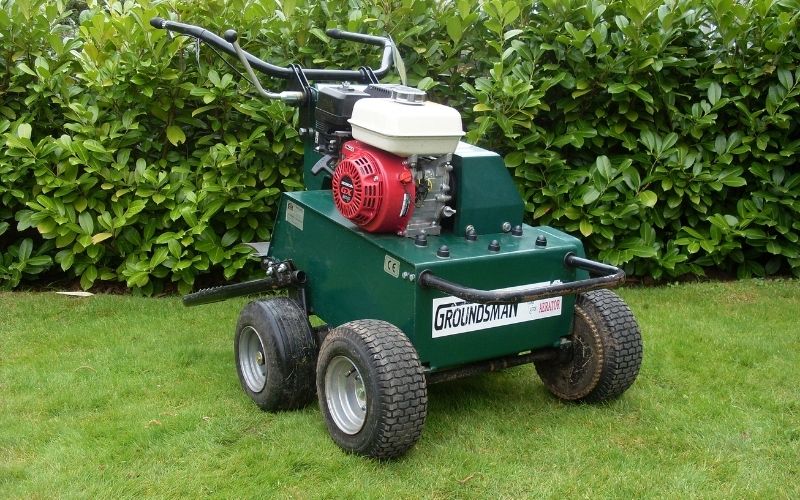
Groundsman Aerator
4 | Using Inappropriate Equipment for the Site
Another common mistake is selecting equipment based solely on availability rather than suitability.
A small pedestrian aerator may be perfectly adequate for a compact lawn but could prove inefficient on large sports pitches or extensive amenity areas. Equally, using machinery that cannot achieve the required working depth may leave underlying compaction untouched.
Equipment selection should always take into account:
- Site size.
- Soil conditions.
- Required working depth.
- Productivity requirements.
- Surface sensitivity.
If you are unsure, just ask one of our friendly team.
Kubota L1-552 Compact Tractor and Sisis Maxi Slitter
Groundsman Aerator
How to avoid it
Using specialist aeration equipment allows you to match the machine to the job rather than compromising with a one-size-fits-all approach.
At Acacia Groundcare, contractors can access a range of professional aeration equipment suitable for everything from fine turf and ornamental lawns through to sports pitches, parks and commercial landscapes. Hiring specialist machinery provides the flexibility to tackle specific site conditions without the significant investment associated with ownership.
5 | Treating Aeration as a One-Off Operation
Perhaps the biggest misconception in turf management is that a single aeration treatment will solve long-term compaction issues.
Compaction is an ongoing process caused by traffic, weather and regular site use. Without a structured aeration programme, soil conditions will gradually deteriorate again over time. Aeration should form part of a wider turf management strategy that includes:
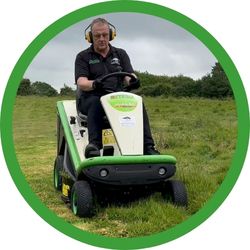
Appropriate mowing practices
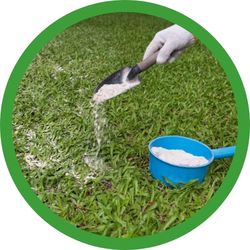
Nutrient management
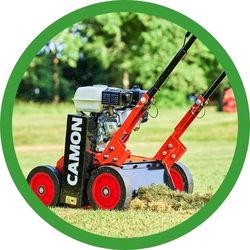
Thatch control
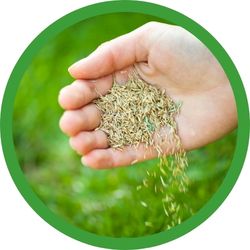
Overseeding and renovation where required
How to avoid it
Develop a planned annual aeration programme based on site usage and soil conditions.
High-traffic sports surfaces may require multiple aeration treatments throughout the year, while ornamental landscapes may benefit from less frequent but carefully targeted operations.
Getting the Most from Your Aeration Programme
When carried out correctly, aeration can dramatically improve turf and grass performance by reducing compaction, improving drainage, encouraging deeper rooting and creating healthier growing conditions.
By avoiding these common mistakes and selecting the right equipment for the task, contractors can maximise the return on their maintenance investment and deliver stronger, more resilient turf throughout the year.
Now is the ideal time to assess your sites, identify compaction issues and ensure you have access to the specialist aeration equipment needed to achieve the best possible results. Our range of ground renovation machinery is serviced to the highest standards, and our comprehensive pre-hire checks ensure they will be ready for work from the off.
Get in touch today to find out more, check availability or request a quote. Call 01273 494939