

Top Five Common Mistakes with Scarification and How to Avoid Them
Scarification is one of the most effective renovation practices for landscapers, grounds maintenance contractors and sports turf managers. It helps reduce thatch, improves air movement within the sward, encourages healthier root development and creates ideal conditions for subsequent overseeding and top dressing.
However, scarification is also often one of the most misunderstood renovation practices and if you don’t get it right, it can lead to disappointing results and even unnecessary turf damage.
Here are the top 5 common mistakes we see and how to avoid them.
1 | Scarifying Too Aggressively
Don’t assume that deeper scarification automatically delivers better results.
Whilst the aim is to remove accumulated thatch and organic matter, excessively aggressive scarification can remove healthy grass plants, damage the crown of the plant and leave large areas of exposed soil. This can increase recovery times and leave surfaces vulnerable to weeds and disease.
The risk is particularly high for areas that have suffered from summer stress, as well as fine turf or ornamental lawns.
In many cases, multiple lighter passes at varying angles will achieve better results than a single deep, aggressive operation. The objective should always be to remove unwanted organic matter whilst preserving as much healthy turf as possible.
How to avoid it
Before starting work, assess:
Thatch depth
Turf Density
Turf health and soil moisture levels
The intended use of the surface
2 | Scarifying at the Wrong Time
Timing can have a major influence on the success of any scarification programme. Scarification inevitably causes a degree of surface disruption, meaning the turf requires suitable growing conditions to recover quickly. Carrying out intensive scarification during drought conditions, extreme heat or late in the season can significantly slow recovery and reduce overall effectiveness. September and early autumn generally provide ideal conditions, with warm soil temperatures and increased moisture encouraging rapid regeneration.
How to avoid it
Schedule major scarification works during periods of active grass growth.
Avoid scarifying during prolonged dry spells unless irrigation is available.
Monitor weather forecasts and soil moisture levels before commencing work.
Plan renovation schedules well in advance to maximise the autumn renovation window and ensure the machinery you need is available.
3 | Failing to Remove Debris Properly
Scarification can produce significant quantities of thatch, moss and organic debris. Unfortunately, some contractors underestimate the importance of completely removing this material before moving on to the next stage of renovation.
Leaving debris on the surface can:
- Restrict air movement.
- Reduce seed-to-soil contact during overseeding.
- Interfere with top dressing operations.
- Increase disease pressure.
- Create an uneven finish.
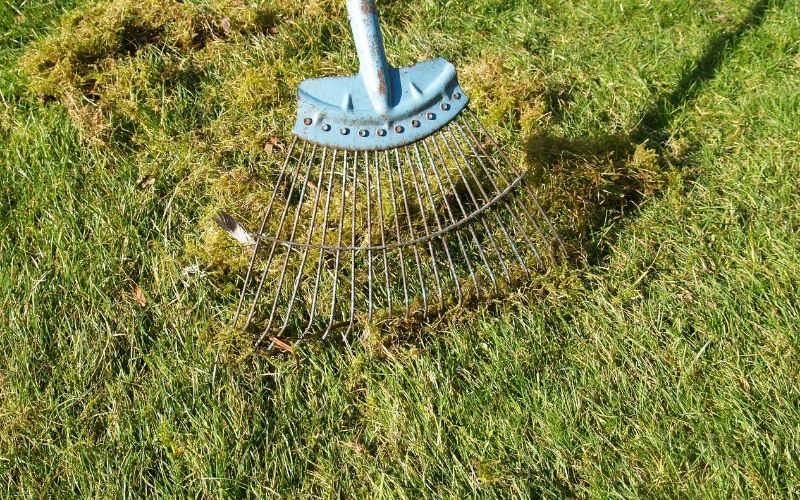
The quality of surface preparation directly influences the success of subsequent operations.
How to avoid it
Thoroughly collect and remove all debris.
Inspect the surface for remaining organic matter.
Repeat light passes where necessary.
Ensure the surface is clean before undertaking further renovation work.
4 | Using the Wrong Scarifier for the Site
Not all scarifiers are designed for the same type of work. A common mistake is selecting machinery based on availability rather than site requirements.
Using an underpowered machine on a heavily thatched sports pitch, or an overly aggressive machine on fine turf, can result in poor productivity and inconsistent results.
Site size, turf condition and the depth of thatch accumulation should all influence machinery selection.
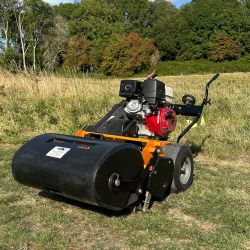
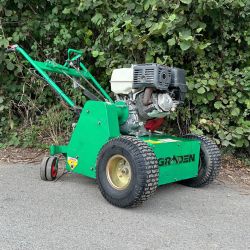
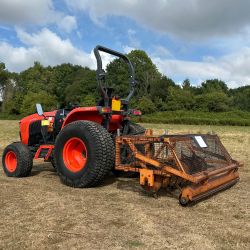
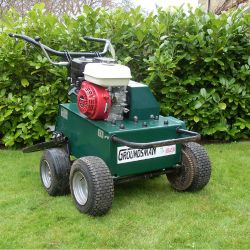
Hiring specialist scarification equipment can provide the flexibility required to match machinery to project. Our range of professional grade scarifiers covers sports pitches, amenity turf, commercial landscapes and private estates, ensuring the right machine is available for every application. We are always happy to advise if you are unsure of the best machine.
Common equipment selection mistakes
- Using pedestrian machines on large areas where productivity is critical.
- Selecting inappropriate blade configurations or operating with worn or damaged blades.
- Failing to adjust working depth to suit conditions.
- Using the same setup across multiple site types.
Camon LS42
SISIS 600HD Rotorake
Graden GS04
SISIS Maxi Slitter
How to avoid it
Select equipment based on:
Surface Area
Thatch levels and the desired renovation outcome
Turf type
Required working depth
5 | Treating Scarification as a One-Off Operation
Scarification is highly effective, but it should rarely be viewed as a solution in isolation. Removing thatch creates opportunities for improved turf health, but the greatest benefits are realised when scarification forms part of a broader renovation strategy. Without follow-up operations, the long-term benefits can be limited.
How to avoid it
Integrate scarification into a wider maintenance programme that may include:
Aeration
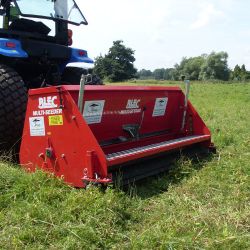
Overseeding
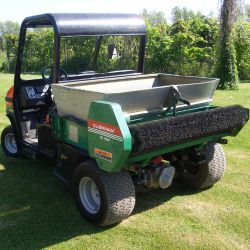
Top dressing

Nutrient management and turf health monitoring.
By viewing scarification as one component of a structured renovation programme, you can achieve stronger, denser and more resilient turf surfaces.
Getting the Most from Your Aeration Programme
When carried out correctly, scarification is one of the most effective methods of controlling thatch and improving turf quality. By avoiding these common mistakes, you can maximise renovation success, improve surfaces and create better conditions for future growth.
Need the Right Scarifier This Autumn?
Whether you're maintaining sports pitches, commercial grounds, parks or private estates, selecting the right scarification equipment can have a significant impact on the quality and efficiency of your renovation programme.
We offer a range of professional scarifiers suitable for projects of all sizes, and our experienced team can help you choose the most appropriate machine for your site conditions and renovation objectives. Contact us today to discuss your requirements, or view our range now.